Skilled Electric Contractor Solutions for Every Demands
Professional electrical service providers provide specialized solutions that address a diverse range of needs within both residential and commercial industries. These experts assure adherence with safety regulations and boost operational performance. From setup work to energy conservation, their knowledge is vital for minimizing hazards and preventing expensive mistakes. Comprehending the nuances of local codes reinforces their importance. However, maneuvering through the selection and engagement process can prove difficult, bringing up important inquiries regarding how to choose the suitable contractor for your particular requirements.
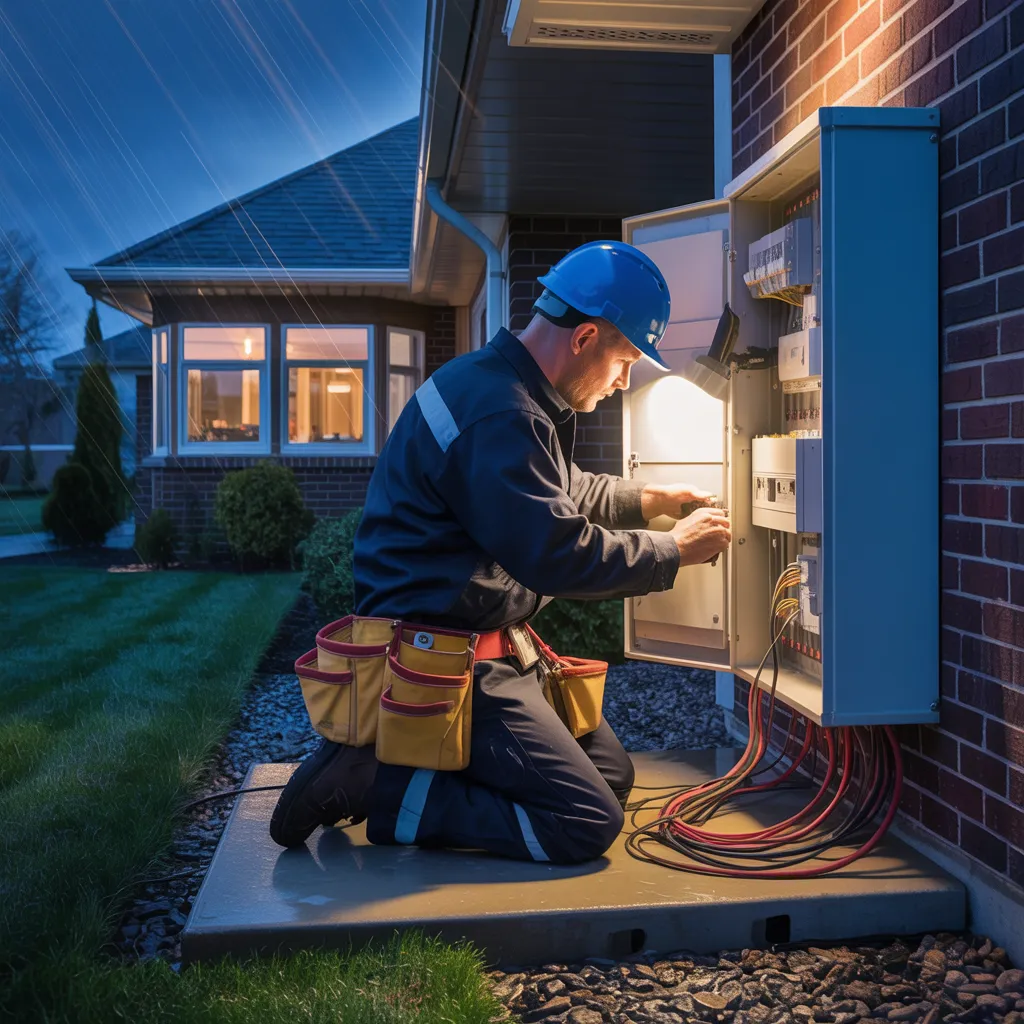
Why Bringing in a Qualified Electrical Contractor Is Indispensable
Engaging a experienced electrical contractor can significantly influence the safety and operation of a building's electrical system. These specialists possess the essential training and experience to guarantee that all electrical work complies with local codes and regulations. This observance minimizes the risk of hazards such as electrical fires, shock, and equipment failure. Additionally, a qualified contractor can accurately assess the specific electrical needs of a property, providing bespoke solutions that enhance efficiency and performance.
In addition to safety, hiring an expert can prevent costly mistakes that often arise from DIY efforts or engaging unlicensed workers. Their knowledge allows for timely project completion without compromising quality. Moreover, a trusted professional usually provides guarantees and warranties, providing peace of mind to homeowners. In the end, the decision to hire a certified electrical professional is not just about ease; it is an commitment in the long-term safety and reliability of a property's electrical system.
Common Power Services Offered by Contractors
A diverse array of utility services is normally delivered by vendors to fulfill diverse client needs. These offerings feature home electrical systems, where technicians configure and preserve electrical systems in homes, upholding safety and observance with local codes. Commercial electrical work entails installations and repairs in trade settings, centering on efficient energy use and reliable operation.
Additionally, skilled technicians supply illumination setup and improvements, boosting both visual appeal and performance in various spaces. They also excel at diagnosing and repairing electrical problems, addressing problems like flickering lights or electrical surges.
Moreover, efficiency audits are executed to help clients lower usage rates and cut energy costs. Contractors frequently offer support for the installation of smart home systems, introducing intelligent systems for superior management and customer satisfaction. In conclusion, emergency electrical services are obtainable to resolve urgent problems, making sure that clients acquire fast assistance when necessary.
Examining Electrical Contractor Qualifications
Reviewing the credentials of an electrical contractor is necessary for upholding quality and safety in electrical work. Primary criteria cover the compulsory licenses and certifications, full insurance and liability coverage, and a verified record of experience. Combined, these components create a basis for judging the contractor's reliability and professionalism.
Licensing and accreditations function as key indicators of an electrical contractor's get details on this credentials and observance to industry standards. Each area has specific licensing requirements that contractors must comply with, often requiring a blend of education, training, and experience. Certifications from acknowledged organizations further validate a contractor's proficiency in specialized areas such as residential, commercial, or industrial electrical work. These credentials not only secure compliance with local regulations but also reflect a commitment to safety and professionalism. Clients should check these credentials before hiring, as licensed contractors are commonly more experienced about current codes and best practices. Ultimately, proper licensing and certifications increase consumer confidence and support the successful implementation of electrical projects.
Insurance And Liability Protection
When evaluating the qualifications of an electrical contractor, insurance and liability coverage are critical components to consider. These safeguards guarantee that both the contractor and the client are safeguarded against possible accidents. A qualified electrical contractor should carry general liability insurance, which covers property damage or injuries that may arise during the project. Moreover, workers' compensation insurance is essential as it protects against workplace injuries that employees may sustain. Clients should verify that the contractor’s insurance is current and sufficient to cover the project’s scope. This not only mitigates financial risk but also reflects the contractor's dedication to professionalism and safety. Ultimately, solid insurance and liability coverage are indicators of a reliable and responsible electrical contractor.
Experience and Results
Experience functions as a cornerstone in evaluating the credentials of an electrical service provider. A contractor's track record of finished work reflects their ability to execute various electrical tasks, from residential projects to sophisticated commercial installations. Potential clients should inspect the contractor's portfolio, looking for evidence of successful projects that correspond to their specific needs. Additionally, years in the industry often relate to a more comprehensive grasp of regulatory requirements and safety standards. User feedback and reviews can offer insights into dependability and customer satisfaction. Licenses and licenses further validate a contractor's expertise, showcasing ongoing education and adherence to industry standards. Ultimately, a solid track record enables informed decision-making, ensuring clients hire a contractor capable of providing quality work consistently.
Electrical Contractors and Their Position in Home Renovations
In the complex dance of home remodeling, electrical professionals play a crucial role, ensuring that every wiring and lighting decision improves both safety and visual appeal. Their expertise is vital in developing and implementing electrical layouts that comply with building codes and regulations. From installing energy-efficient lighting to carefully placing outlets, these professionals ensure usefulness and convenience throughout the home.
Furthermore, electrical professionals evaluate existing infrastructure, identifying required improvements or maintenance that boost overall power optimization. This not just reduces energy expenses but also contributes to a more sustainable home environment. They partner closely with other trade professionals, coordinating their work with plumbing, carpentry, and visual elements to create a unified renovation plan.
Finally, the engagement of electrical contractors is essential for turning a house into a secure, fashionable, and current home, underscoring their importance in any successful renovation project.
Electrical Contractor Support for Commercial Spaces
Within the domain of commercial spaces, electrical contractors serve as crucial components in deploying efficient wiring installations and energy management systems. These methods not only enhance operational productivity but also deliver cost savings over time. By concentrating on innovative electrical designs, businesses can optimize their energy consumption and improve overall performance.
Streamlined Wiring Implementations
Streamlined wiring installations are critical for optimizing functionality and protection in commercial spaces. A thoroughly planned wiring system enhances electrical performance while curtailing the risk of hazards. Expert electrical contractors examine the unique needs of each facility, ensuring that wiring is engineered to support various applications, from lighting to heavy machinery. By utilizing first-rate materials and adhering to industry standards, they prevent maintenance issues and extend the lifespan of electrical systems. In addition, effective wiring designs foster future upgrades and expansions, allowing businesses to adapt to evolving technological demands. Ultimately, investing in streamlined wiring implementations not only maximizes operational efficiency but also contributes to a safer working environment, promoting overall productivity and peace of mind for both employers and employees.
Efficient Energy Handling Frameworks
Enhancing power networks surpasses effective wiring implementations; it involves the introduction of energy management systems that boost energy efficiency in commercial spaces. Energy management platforms offer real-time monitoring and oversight of energy consumption, allowing businesses to detect usage patterns and cut waste. By adding innovative tools, including intelligent monitoring devices and self-regulating systems, EMS can significantly reduce running expenses while fostering sustainability. Electrical contractors are vital in building and setting up these platforms, confirming they fulfill specific commercial needs. With customized EMS solutions, businesses can realize better energy efficiency, follow standards, and elevate their overall operational performance. Putting in place an EMS benefits not only the bottom line but also supports in building a more sustainable world.
Expressing project needs clearly is essential when working alongside electrical contractors. Clients should start by establishing the project scope, specifying the type of work required, whether it's new installations, upgrades, or repairs. Furnishing comprehensive details helps contractors grasp expectations and necessary resources.
Moreover, clients should indicate their spending limits and project schedules. Transmitting these parameters allows contractors to put forward achievable solutions and plans. It is also valuable to talk over any particular choices for materials or technologies, in addition to any relevant protective or regulatory aspects.
Visual aids, like diagrams or photos, can further boost insight. Promoting clear communication fosters a collaborative atmosphere, enabling contractors to ask necessary questions and suggest alternatives. To conclude, establishing a primary point of contact assures efficient communication through the project. By following these guidelines, clients can effectively share their needs, resulting in favorable project outcomes.
Expectations During Your Electrical Work Journey
What should one expect during the electrical work process? At first, the electrician will conduct an assessment of the project needs, reviewing the scope and any particular issues. Following this, they will provide a comprehensive quote, outlining costs and timelines. Once the agreement is in effect, the professional will schedule the work and obtain any necessary permits.
Throughout the actual work, you can expect clear communication about advancement and possible interruptions. The contractor will ensure that safety protocols are adhered to, minimizing risks to both workers and residents. As the project advances, inspections may take place to ensure compliance with local codes.
After the project is concluded, the contractor will conduct a final walkthrough, addressing any concerns and guaranteeing all systems work correctly. Finally, they will deliver documentation, including warranties and maintenance tips, making sure that the homeowner is educated about their new electrical installations. This thorough process aims to deliver reliable and efficient electrical solutions.
Frequently Questioned FAQ
What Is the Average Cost of Engaging an Electric Contractor?
Standard rates for hiring an electrician typically range between $50 to $100 hourly, contingent on the complexity of the work and geographic location. Fixed pricing for certain tasks might be available, with significant variation.
How Much Time Does Typical Electrical Work Take to Complete?
Typical electrical jobs take varying amounts of time, usually spanning from a few hours up to several days, based on the project's complexity. Important elements including the type of installation, how the existing wiring is configured, and contractor efficiency significantly impact completion time.
Are Electrical Contractors Regulated in All States?
Electrical specialists are commonly mandated to obtain a license in most states, making certain they fulfill distinct educational and practical standards. However, permit requirements can vary widely, so it's vital to check local regulations for accurate information.
Can I Do Any Electric Work by myself?
Residents can do some fundamental electrical tasks themselves, such as updating outlets and light fixtures, but must stick to local codes. For difficult assignments, hiring a licensed professional is advisable to guarantee safety and compliance.
How Should I Respond in the Event of an Electric Emergency?
In case of an electrical emergency, one should at once shut down the power at the circuit breaker, refrain from contacting any live wires, and contact a certified electrician for help to ensure safety and proper resolution.